
Introduction
When it comes to enhancing the curb appeal, security, and privacy of your property, few home improvement projects are as transformative as professional fence installation. Whether you’re looking to secure your backyard, mark your property lines, or simply add a stylish touch to your home’s exterior, a well-installed fence can make all the difference. But embarking on a fence installation project is not as simple as picking a style and hiring a contractor.
There are many factors to consider, from understanding local regulations to choosing the right materials and ensuring accurate measurements.
Here are compelling reasons to continue reading this article:
- Learn about local regulations and permits to avoid legal hassles.
- Understand the pros and cons of various fence materials like wood, vinyl, and chain link.
- Get insights into the cost factors and budgeting for your fence installation.
- Decide whether to take on the project yourself or hire a pro, based on detailed comparisons.
- Tips on how to handle fence installation with minimal neighborly disputes.
- Learn about maintenance and care to ensure your fence lasts for years.
Embarking on a fence installation project is a significant decision that requires careful planning and execution. This comprehensive guide will provide you with all the necessary information, from initial planning stages to the final touches, ensuring that your fence not only meets your needs but also adds value and charm to your property.
Let’s dive into the world of professional fence installation, starting with understanding the local regulations and ordinances that may affect your project.
Understanding Local Regulations and Ordinances
Before you start digging post holes or choosing fence materials, it’s crucial to be aware of the local regulations and ordinances that govern fence installations. Failing to comply with these rules can lead to costly fines, legal troubles, and even the need to dismantle your newly installed fence. Here’s what you need to know:
Check City or Town Regulations
- Permits: Many cities and towns require a permit for fence installations. This ensures that your fence design adheres to local height, style, and placement regulations.
- Height and Style Restrictions: Local ordinances often dictate the maximum height and sometimes even the style of fences, especially in historic or suburban neighborhoods.
- Setback Requirements: These rules specify how far your fence must be from property lines and sidewalks. Ignoring these can lead to disputes with neighbors or the city.
Homeowner Association (HOA) Guidelines
If you’re part of an HOA, there might be additional restrictions on fence materials, heights, and colors. HOAs often require fences to maintain a uniform appearance within the community.
Neighbor Considerations
- Shared Boundaries: When installing a fence along a property line shared with a neighbor, it’s important to agree on the type and placement of the fence to avoid disputes.
- Right to Light and View: Some localities have regulations that protect a neighbor’s right to light and views, which can influence the height and positioning of your fence.
Zoning Regulations
Different zones (residential, commercial, agricultural) may have specific rules regarding fence installations, affecting your choice of materials and designs.
Wildlife and Environmental Considerations
In some areas, fencing choices may be influenced by the need to protect local wildlife or adhere to environmental conservation efforts.
Key Takeaway: Always do your research or consult with a fencing professional to ensure your fence installation complies with all local rules and regulations. This will save you time, money, and potential legal headaches.
Choosing the Right Fence Type for Your Needs
Selecting the right type of fence for your property is more than just a matter of taste; it’s about functionality, maintenance, cost, and compliance with local standards. Each material offers its unique benefits and challenges. Here’s a detailed look at the most common fence types:
Wood Fences
- Design Versatility: Wood fences offer the most design flexibility, including styles like picket, board-to-board, and shadowbox.
- Maintenance: Requires regular maintenance such as painting or staining to prevent rot and termite damage.
- Cost: While traditionally cost-effective, wood prices can vary based on lumber market fluctuations.
- DIY Friendliness: Easier to install and modify, making them a popular choice for DIY enthusiasts.
Vinyl Fences
- Low Maintenance: Vinyl is a long-lasting material that doesn’t rot or rust, requiring minimal upkeep.
- Easy Installation: Often features easy-to-use connectors, making installation straightforward.
- Cost: Roughly comparable to wood, but with added longevity benefits.
Metal Fences
- Durability: Materials like aluminum, steel, and wrought iron are durable and often outlast other materials.
- Styles: Offers a range of styles, from traditional to avant-garde designs with panels and slats.
- Maintenance: Some metal fences, like iron, can rust and may require rust-proofing treatments.
Composite Fences
- Eco-Friendly: Made from a mix of wood fibers and resin, often using recycled materials.
- Longevity: More expensive than wood but offers greater durability and less maintenance.
- Appearance: Mimics the look of wood but with additional resistance to weathering.
Chain Link Fences
- Cost-Effective: A budget-friendly option, particularly for large areas.
- Functionality: Ideal for demarcating boundaries and keeping pets in, but offers little in terms of privacy.
- Durability: Made from galvanized steel, making them rust-resistant and long-lasting.
Fence Type Comparison
| Fence Type | Maintenance | Cost | Privacy Level | DIY Friendly |
| Wood | High | Medium | High | Yes |
| Vinyl | Low | Medium | High | Moderate |
| Metal | Medium | High | Low-Medium | Low |
| Composite | Low | High | High | Low |
| Chain Link | Low | Low | Low | Moderate |
Key Takeaway: Your choice of fence type should align with your needs for privacy, aesthetics, budget, and maintenance commitment. Understanding the pros and cons of each material will help you make an informed decision that suits your property and lifestyle.
The Significance of Accurate Measurements in Fence Installation
Precision in measuring for a fence installation cannot be overstated. Accurate measurements ensure that the fence not only fits perfectly but also looks aesthetically pleasing and functions as intended. Here are the steps and considerations for accurate fence measurements:
Gathering Necessary Tools
- Essentials: Tape measure, level, stakes or marking flags, pencil or marker, string or twine, hammer, and personal protective equipment (PPE).
- Purpose: Each tool plays a critical role in ensuring precise measurements and alignments.
Determining the Fence Line
- Property Boundaries: Consult property deeds or a surveyor to establish precise boundaries to avoid encroaching on neighboring properties.
- Visual Guides: Use strings or twine stretched between stakes to mark the fence line, ensuring it follows your property line accurately.
Marking Fence Post Locations
- Spacing: Measure and mark where each fence post will go, typically between 6 to 8 feet apart, depending on the fence type.
- Special Posts: Mark positions for corner and gate posts, which require additional support.
Measuring Distance Between Posts
- Panel Fit: Ensure that the distance between posts matches the width of your fence panels or materials to avoid gaps or overlaps.
- Recording Measurements: Keep a record of all measurements for reference during material purchase and installation.
Calculating Number of Fence Panels
- Panel Width: Measure the width of each panel and calculate how many you’ll need to span the length of your fence line.
- Rounding Up: It’s advisable to purchase extra panels for potential mistakes or future repairs.
Case Study: A homeowner decided to install a vinyl fence around their property. By meticulously measuring their property line and marking post locations, they avoided common pitfalls such as uneven panel spacing and encroaching on their neighbor’s property. This careful planning resulted in a seamless installation process and a perfectly aligned fence.
Measurement Checklist
| Step | Tool Required | Purpose |
| Determine Fence Line | String, Stakes | To mark the boundary for fencing |
| Mark Post Locations | Tape Measure, Marker | To designate positions for posts |
| Measure Distance Between Posts | Tape Measure | To calculate panel or material fit |
| Calculate Panel Numbers | Calculator | To estimate required materials |
Key Takeaway: Accurate measurements are the foundation of a successful fence installation. They ensure that the fence is correctly positioned, aesthetically pleasing, and structurally sound. Taking the time to measure meticulously can save time, money, and hassle in the long run.
Planning and Preparing for Installation
Once you have your measurements and materials ready, planning and preparing for the actual installation is crucial. This phase sets the stage for a smooth and efficient fencing project. Here’s how to approach it:
Understanding Terrain and Soil Conditions
- Terrain Considerations: Sloping or uneven ground may require special installation techniques, like stepped or rackable panels.
- Soil Type: Hard, rocky, or clay-heavy soils can challenge post-installation and may require special tools.
Preparing the Installation Site
- Clearing the Area: Remove any obstacles, debris, or old fencing from the fence line.
- Marking Utilities: Contact local utility companies to mark underground lines to avoid damaging them during digging.
Organizing Materials and Tools
- Inventory Check: Ensure you have all the necessary materials and tools on hand before starting.
- Material Handling: Store materials safely and conveniently for access during installation.
Scheduling and Weather Considerations
- Ideal Weather: Plan your installation for a period of mild, dry weather to avoid complications from rain or extreme temperatures.
- Time Allocation: Estimate the time needed for installation and schedule it to minimize disruptions to your daily routine.
Safety Precautions
- Personal Protective Equipment: Always wear appropriate safety gear, like gloves, safety glasses, and ear protection.
- Safe Practices: Follow best practices for tool safety and lifting techniques to avoid accidents.
Installation Preparation Checklist
| Task | Purpose |
| Clearing the Installation Site | To ensure a smooth and unobstructed installation process |
| Marking Utilities | To prevent damage to underground utilities |
| Organizing Materials | To facilitate easy access and efficient use of materials |
| Checking Weather Forecast | To plan the installation in favorable conditions |
| Preparing Safety Gear | To ensure the safety of everyone involved in the installation |
Key Takeaway: Thorough planning and preparation are essential for a successful fence installation. By understanding and adapting to your property’s unique characteristics, organizing materials, and taking safety precautions, you can ensure a smooth and efficient installation process.
Cost Considerations and Budgeting
Understanding and planning for the costs associated with fence installation is crucial to ensure that the project stays within budget and meets your expectations. Here’s a breakdown of the factors that influence the cost and how to budget effectively:
Factors Influencing Fence Installation Cost
- Material Choice: Wood, vinyl, chain link, and metal each come with different price points.
- Size and Length: The overall length of the fence and height significantly impact the cost.
- Terrain and Soil: Difficult terrain or soil conditions may require additional labor or equipment, increasing costs.
- Labor Costs: Whether you choose DIY or professional installation affects the cost. Professional services usually add to the expense but come with expertise and efficiency.
Calculating Material Costs
- Per Linear Foot Pricing: Most fence materials are priced per linear foot, which includes both materials and labor.
- Additional Elements: Costs for gates, decorative elements, or specialized hardware should also be considered.
Budgeting for Additional Expenses
- Permits and Surveys: Budget for any required building permits or property surveys.
- Repairs and Preparations: Include costs for removing an old fence or clearing the land.
Estimating Total Costs
- Quotes: Obtain multiple quotes from contractors to get a realistic estimate of the total cost.
- Contingency Fund: Set aside a contingency fund (about 10-15% of the total budget) for unforeseen expenses.
Case Study: A homeowner in Florida wanted to install a 150-foot vinyl privacy fence. After considering the costs of materials, labor, and additional elements like a gate and decorative posts, they budgeted around $6,000. Including a contingency fund helped them cover unexpected soil preparation costs.
Estimated Fence Installation Cost
| Material Type | Cost per Linear Foot | Additional Costs (Permits, Gate, etc.) |
| Wood | $12 – $30 | $200 – $500 |
| Vinyl | $15 – $35 | $200 – $600 |
| Chain Link | $10 – $20 | $100 – $300 |
| Metal | $20 – $50 | $300 – $800 |
Key Takeaway: A well-planned budget is key to a successful fence installation. By understanding the cost factors and preparing for additional expenses, you can ensure that your fencing project is financially manageable and meets your specific needs.
Professional vs. DIY Fence Installation
Deciding whether to install your fence yourself or hire a professional is a significant choice that can affect the cost, quality, and timeline of your project. Here’s a comparison to help you make an informed decision:
DIY Fence Installation
- Pros:
- Cost Savings: You can save on labor costs by doing the work yourself.
- Flexibility: DIY allows you to work at your own pace and make adjustments as needed.
- Cons:
- Skill Level: Requires a good understanding of carpentry and landscaping.
- Time-Consuming: It can take significantly longer, especially if you’re new to such projects.
Suitable Materials: Wood, vinyl, and some types of chain link are more DIY-friendly.
Professional Fence Installation
- Pros:
- Expertise: Professionals bring experience and knowledge, ensuring the job is done right.
- Efficiency: A professional crew can complete the job faster than a DIY approach.
- Cons:
- Cost: Hiring professionals will increase the overall cost of the project.
- Scheduling: You’ll need to work around the contractor’s schedule.
- Recommended for: Complex projects, difficult terrains, and materials like metal or composite fencing.
Case Study: A homeowner decided to install a chain link fence themselves to save money. While they managed to complete the project, it took much longer than anticipated, and the alignment was slightly off. In contrast, their neighbor hired SRC Fencing for a vinyl fence installation, which was completed efficiently with professional results.
DIY vs. Professional Installation
| Aspect | DIY Installation | Professional Installation |
| Cost | Lower | Higher |
| Time | Longer | Shorter |
| Skill Requirement | High | Handled by professionals |
| Quality Assurance | Variable | High |
| Suitable Materials | Wood, Vinyl, Chain Link | All types, especially metal and composite |
Key Takeaway: Your decision between DIY and professional fence installation should be based on your skill level, the complexity of the project, and your budget. While DIY can be more cost-effective, the expertise and efficiency of professionals often provide value for your money.
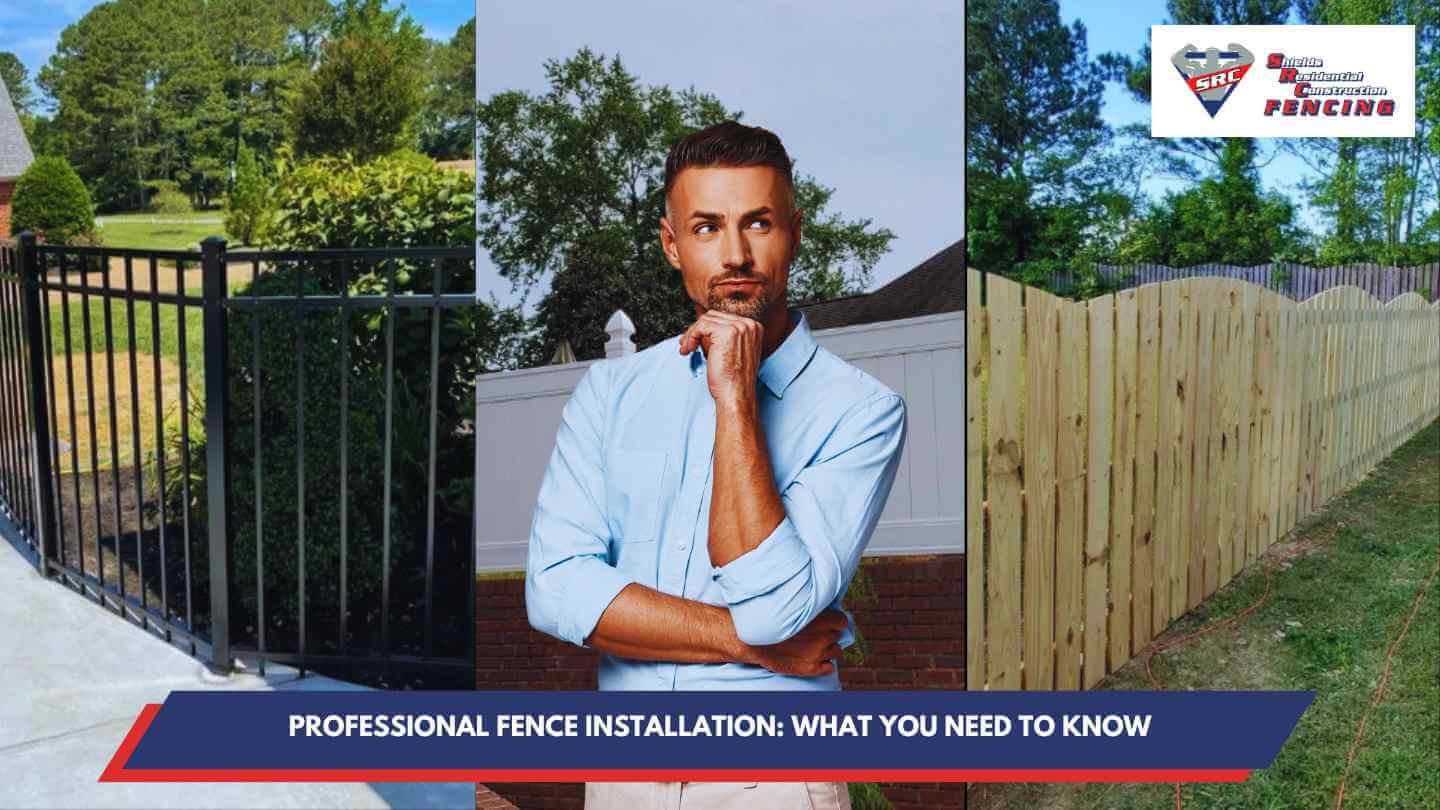
Conclusion
Fence installation is more than just a home improvement task; it’s an investment in the security, privacy, and aesthetic appeal of your property. Whether you opt for a DIY approach or enlist the services of professionals like SRC Fencing, understanding the intricacies of the process is crucial. From choosing the right materials to adhering to local regulations and considering the impact on neighbors, every aspect plays a crucial role in the success of your fencing project.
As you embark on this journey, remember the key points we’ve covered:
- Regulations and Permits: Ensure compliance with local ordinances and HOA guidelines.
- Material Selection: Choose a fence type that balances aesthetics, functionality, and maintenance.
- Accurate Measurements: Take precise measurements for a seamless installation.
- Budgeting: Plan your finances, keeping in mind material costs and potential additional expenses.
- Professional vs. DIY: Assess your skills and project complexity before deciding on the installation method.
Ready to Transform Your Property? Contact SRC Fencing Today!
Are you inspired to take the next step in enhancing your property’s appeal and security with a professionally installed fence? Look no further than SRC Fencing! With our commitment to quality materials, expert craftsmanship, and exceptional customer service, we’re here to bring your fencing vision to life.
Get Your Free Quote Now
Don’t wait to improve your home’s security, privacy, and curb appeal. Contact SRC Fencing today for a free, no-obligation quote. Let us help you make an informed decision that adds lasting value to your property.
Our Blog Post Series
- Seasonal Fence Maintenance: Preparing for Weather Changes
- Integrating Your Fence with Landscape Design
- Cost-Effective Fencing Solutions for Homeowners